DIY efforts that can help, safely
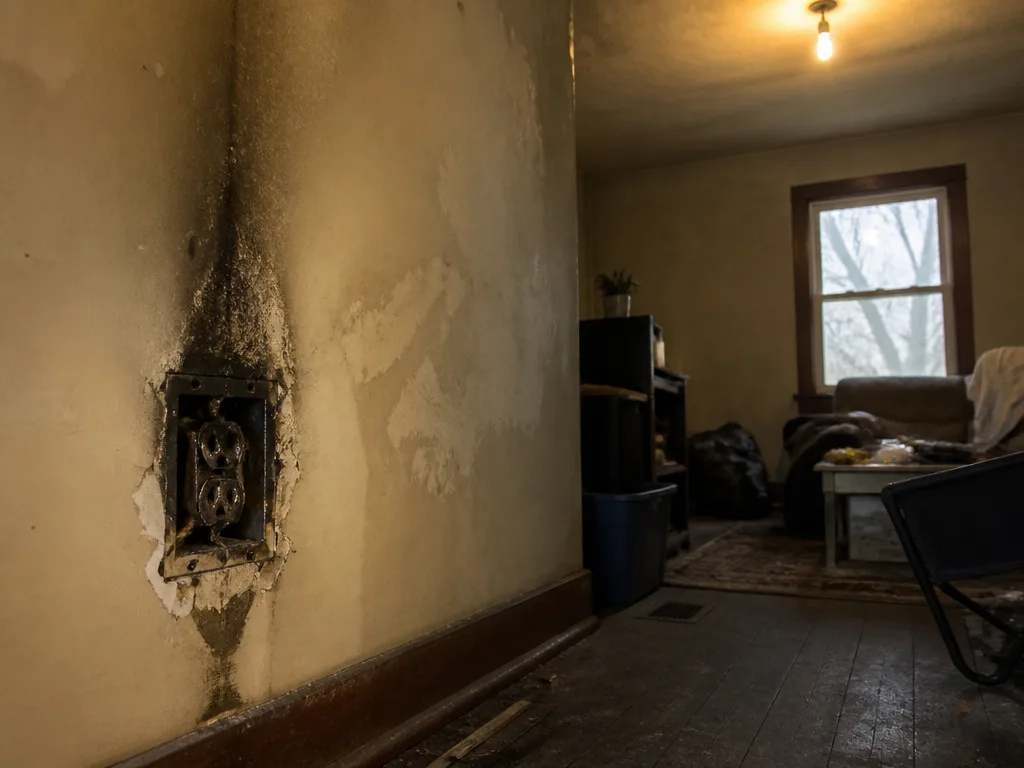
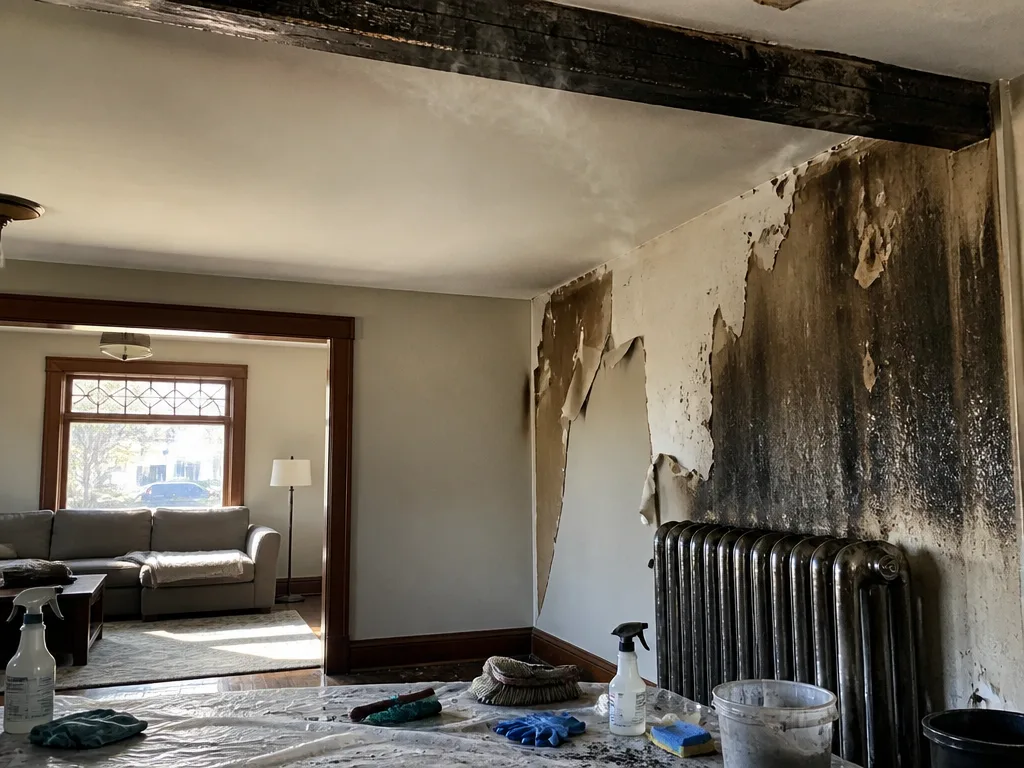
Some small, non-structural cleanup tasks can reduce odor and visible soot. In Iowa homes, you can ventilate rooms with windows and fans, replace simple textiles like curtains, and wipe accessible surfaces with mild cleaning solutions. Do not attempt to scrub electrical outlets or behind wall cavities where wiring and materials may be damaged.
When you choose to tackle a few tasks yourself, set clear boundaries. Don’t go behind walls or into crawl spaces if there are signs of structural damage, water intrusion, or persistent odors that return after cleaning. In these cases, calling a fire & smoke damage specialist is the prudent move.
When to call a pro
If you see warped ceilings, altered electrical function, or a smell that returns after cleaning, it’s time to involve a professional. Iowa homeowners should consider a professional assessment anytime there was visible fire, smoke, or heat exposure. A specialist can determine the extent of smoke residue and structural impact and plan a safe restoration path.
Our crew from Iowa Soot Removal follows a consistent, state-wide approach. We start with a thorough assessment, outline a containment plan, and explain what happens next in plain terms. This isn’t guesswork; it’s a comprehensive strategy that protects your property and health.
What to expect from a professional assessment
The specialist will inspect for heat damage to framing and drywall, check for lingering odors, and evaluate ventilation needs. They will map out containment areas to prevent cross-contamination and provide a practical timeline tailored to Iowa weather and schedules.
Remember, there’s no rush to DIY through a complex situation. A careful, professional plan often saves time and cost in the long run.
Helpful questions to ask
- What is the anticipated scope of work in plain terms?
- Will you provide a written plan and estimated timeline?
- What steps do you take to protect occupants during the process?