Why seasons matter in Iowa
Iowa’s seasons swing from dry heat to humid cold, and that shift affects how odors and smoke particles behave in a home. Fire & smoke damage specialists across Iowa see more odor issues when humidity changes quickly. A proactive plan helps you stay ahead of problems before they start.
Spring and early summer: moisture and vents
As the weather warms, humidity climbs. Check that attic access and vents are clear, and look for signs of moisture damage near attic spaces. Replace or clean HVAC filters and ensure that ventilation paths aren’t blocked by debris or dust buildup. A professional assessment can confirm there’s no hidden moisture that could trap odors or worsen residue.
Fall and winter: heat and smoke risks
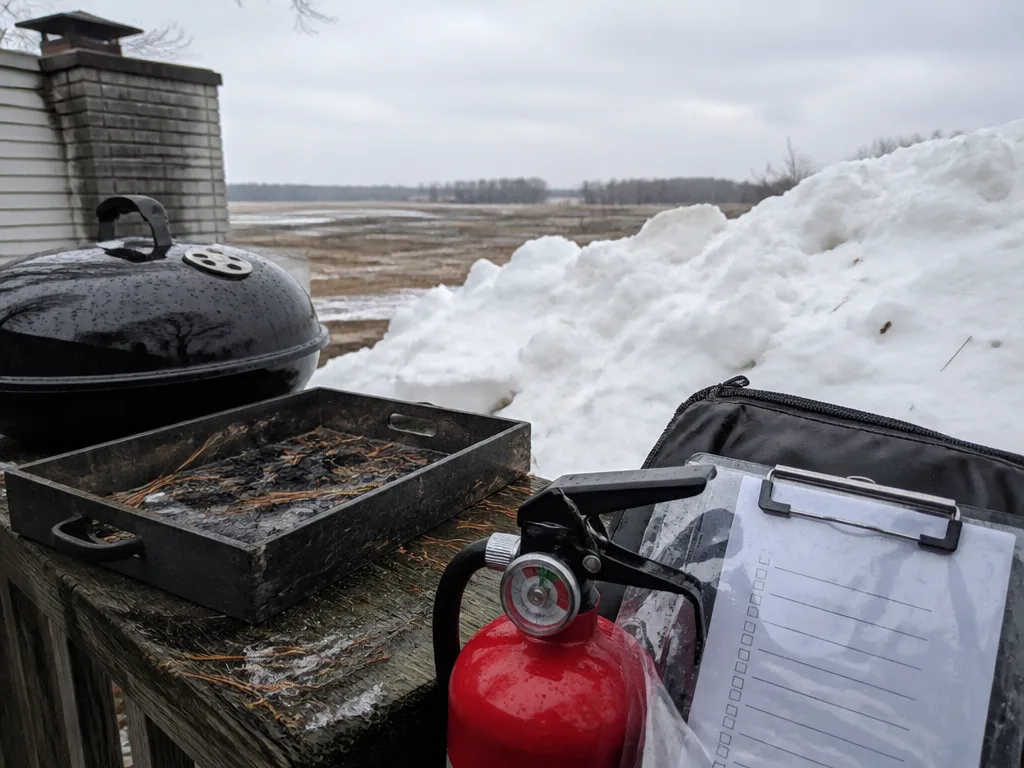
Heating season brings its own risks. If you use space heaters or heavily rely on a fireplace, keep chimneys and flues clean and inspected. Fire & smoke damage specialists recommend testing detectors and planning a safe burn schedule if you have a fireplace. In Iowa, colder months can trap indoor smoke, so early season checks help you avoid surprises.
Preventive steps that pay off
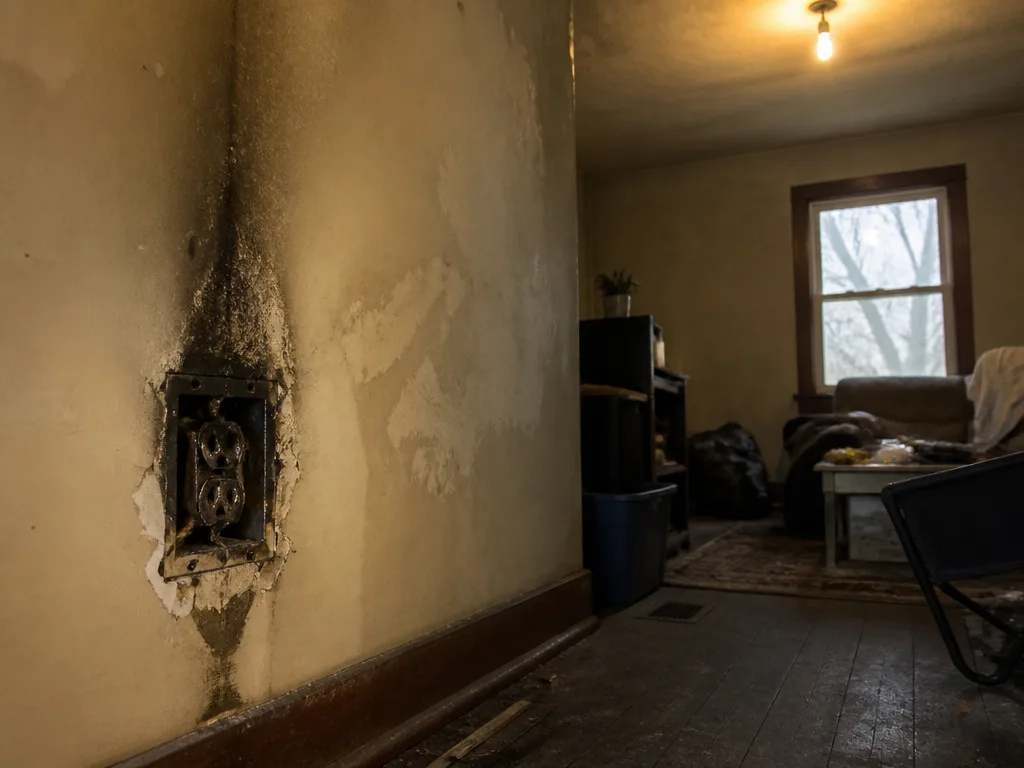
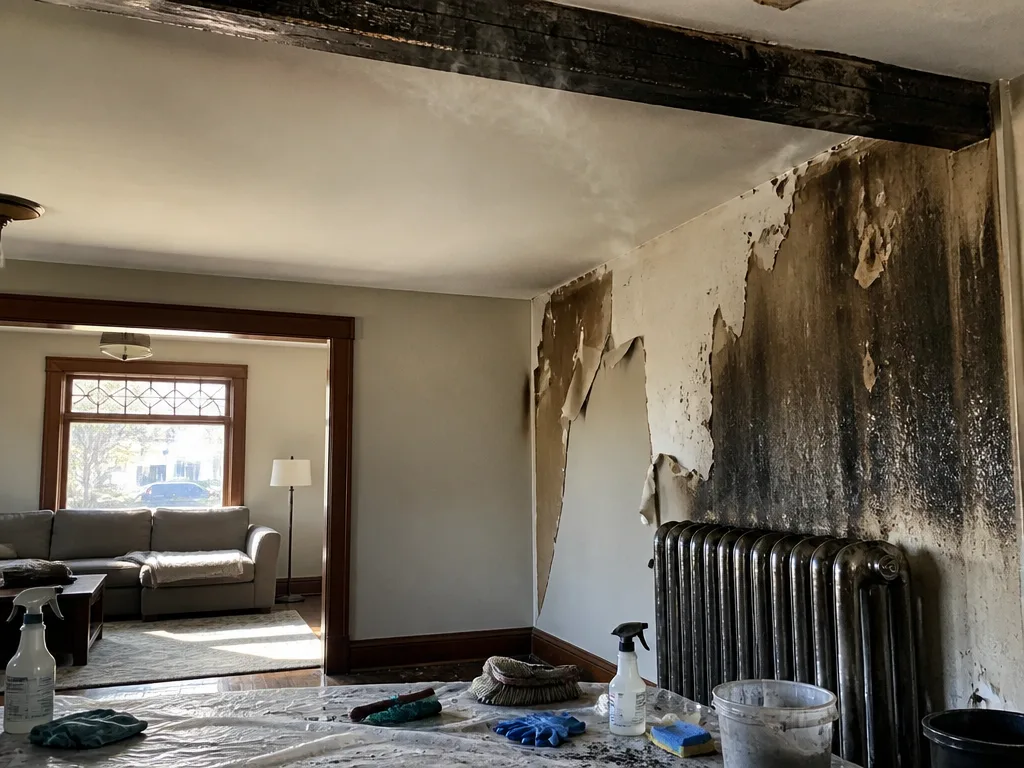
Regular inspections by a fire & smoke damage specialist help you stay ahead. In Iowa, we recommend annual or biannual checks to catch issues before they become costly problems. Focus on obvious signs like odors that linger after cleaning, soot around outlets, or staining near ceilings. These are usually indicators that a deeper inspection is warranted.
Simple routines can make a big difference: keep detectors fresh, maintain ducts and vents within reason, and schedule a seasonal assessment with Iowa Soot Removal. A steady plan across the year keeps your home safer and more comfortable for Iowa families.
Seasonal checklist snapshot
- Test smoke alarms and replace batteries as needed
- Inspect fireplaces and clear accessible vents before cold months
- Schedule a professional assessment for a fresh start to each season